






The short answer is yes — electronic signatures are legally binding in the United States under the ESIGN Act and are widely recognized across Europe through eIDAS regulations.
If you have ever accepted online terms, completed a contract with a PDF signature, or approved a document digitally, you have already used an electronic signature. Businesses today rely on digital signature online solutions because they are faster, secure, and eliminate paperwork.
However, many people still ask an important question: Are electronic signatures legally binding in every situation?
In most cases, they absolutely are. But for an electronic signature to be legally enforceable, certain legal and security conditions must be met. Understanding these requirements helps organizations protect their agreements and maintain compliance.
In this guide, we will explain:
- Whether electronic signatures are legally binding
- The laws governing digital signatures
- How they differ from handwritten signatures
- Best practices to ensure your eSignature remains valid and enforceable
What Makes an Electronic Signature Legally Binding?
An electronic signature (eSignature) becomes legally binding when it meets several key requirements defined by global regulations such as the ESIGN Act, UETA, and eIDAS.
These frameworks ensure that online signatures hold the same legal weight as handwritten signatures when certain conditions are satisfied.
For an electronic signature to be valid:
- The signer must clearly intend to sign the document
- All parties must consent to use electronic signatures
- The system must maintain a reliable record of the transaction
- The signature must be secure and traceable
When businesses implement a trusted Salesforce eSignature solution, these requirements are automatically built into the workflow, ensuring compliance and enforceability.
How to Ensure the Validity of Your Electronic Signature
Ensuring your electronic signature is legally valid requires secure technology, identity verification, and reliable documentation. Organizations that follow proper eSignature practices can confidently execute digital agreements across industries.
Below are the essential steps to keep your digital signature online valid and enforceable.
Use a Trusted eSignature Platform
Always choose a reliable eSignature platform that complies with global regulations such as ESIGN, UETA, and eIDAS. These standards ensure your electronic signature is legally binding and recognized across industries.
For organizations using Salesforce, implementing an eSignature for Salesforce solution ensures contracts, approvals, and agreements remain securely managed within the CRM environment. This improves visibility, compliance, and operational efficiency.
Implement Strong Authentication Methods
Authentication is critical for preventing fraud and confirming signer identity. Businesses should implement security measures such as multi-factor authentication, one-time passcodes, biometric verification, or secure login authentication.
These verification methods strengthen the legal credibility of a digital signature online and provide clear evidence of signer identity if a document is ever challenged.
Include a Clear Consent Clause
To ensure enforceability, documents should include a consent clause stating that all parties agree to use electronic signatures instead of handwritten signatures.
This step confirms the signer’s acceptance of electronic processes and helps eliminate disputes. A clear consent clause strengthens the legal standing of your electronic signature agreements.
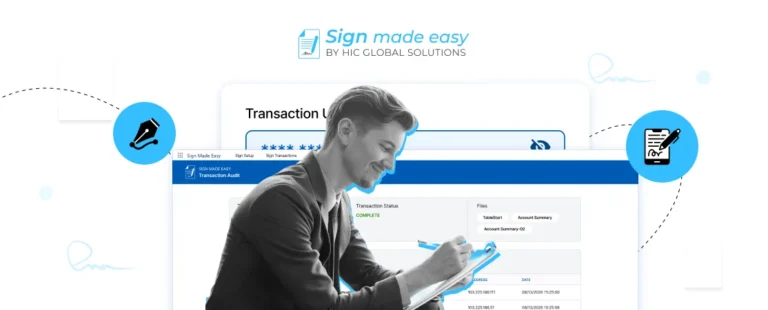
Maintain Detailed Audit Trails
A complete electronic signature audit trail is essential for proving authenticity and compliance.
Audit trails typically capture:
- Signer identity
- Timestamp of signature
- IP address
- Document access history
- Signature completion details
These records create transparency and help verify that the online signature was executed legally and securely.
Store Signed Documents Securely
Once documents are signed, they should be stored in encrypted and access-controlled systems. Secure storage prevents tampering and ensures that signed agreements remain valid for future reference.
A secure Salesforce eSignature solution enables organizations to store documents within the CRM, ensuring compliance, traceability, and long-term document integrity.
Are Electronic Signatures Valid in All US States?
Yes, electronic signatures are valid in all U.S. states under the ESIGN Act and Uniform Electronic Transactions Act (UETA).
These laws give eSignatures the same legal status as handwritten signatures when proper procedures are followed.
However, certain industries such as healthcare, real estate, and government documentation may require additional compliance measures. Organizations should always verify industry-specific regulations when implementing digital signature solutions for different use cases.
Sign Made Easy: Secure and Compliant eSignature for Salesforce
Choosing the right platform is essential to ensure your electronic signatures remain legally binding. Sign Made Easy provides a powerful Salesforce eSignature solution designed to help organizations execute digital agreements securely and efficiently.
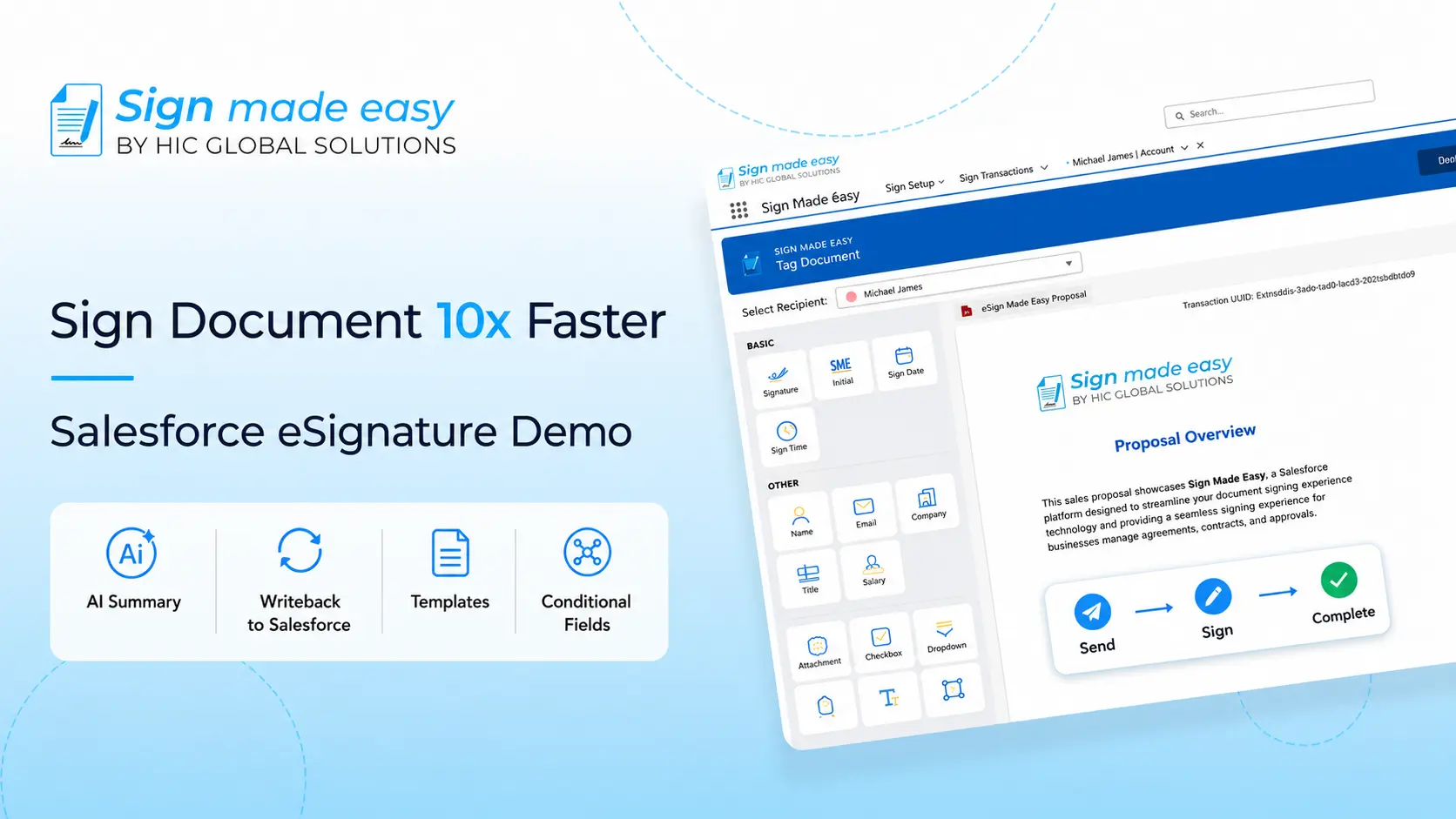
As a trusted eSignature for Salesforce, the platform allows businesses to send, sign, and track documents directly within Salesforce while maintaining compliance with major regulatory standards.
Sign Made Easy is SOC 2 Type II and HIPAA compliant, offering enterprise-grade security features such as:
- Encrypted document storage
- Secure access control
- Detailed electronic signature audit trails
- Advanced authentication verification
These capabilities help organizations maintain compliance, protect sensitive data, and reduce the risk of unauthorized access.
Its intuitive interface enables teams to complete PDF signatures and digital agreements quickly, while robust compliance controls ensure every electronic signature remains legally valid and secure.
Businesses looking to streamline contracts and document approvals often implement a Salesforce eSignature solution to centralize document management and improve operational efficiency.
Conclusion
So, are electronic signatures legally binding? Yes, when they meet legal standards and are executed through secure platforms.
From contracts and financial agreements to HR paperwork and customer approvals, electronic signatures help organizations move faster while maintaining security and compliance.
Modern businesses increasingly rely on digital signature online solutions to streamline document workflows and eliminate paper-based processes.
With Sign Made Easy, organizations can confidently execute agreements using a secure eSignature for Salesforce platform that ensures compliance, protects data, and keeps every electronic signature legally valid.