



Digital agreements have become the backbone of modern business operations. From sales contracts and HR onboarding to vendor approvals and compliance workflows, organizations today rely heavily on secure and fast signing solutions. But as adoption grows, one question continues to dominate buyer decisions: How much does eSignature software actually cost in 2026?
The answer is more complex than ever. Some vendors charge per user, others charge per document or “envelope,” while enterprise platforms introduce hidden costs for integrations, APIs, storage, authentication, and compliance features. Businesses looking for the best eSignature Pricing often realize that the cheapest plan is not always the most cost-effective in the long run.
In this guide, we’ll break down everything businesses need to know about eSignature pricing in 2026, including pricing models, hidden costs, feature-based pricing, ROI considerations, and how to choose the right eSignature App for your business.
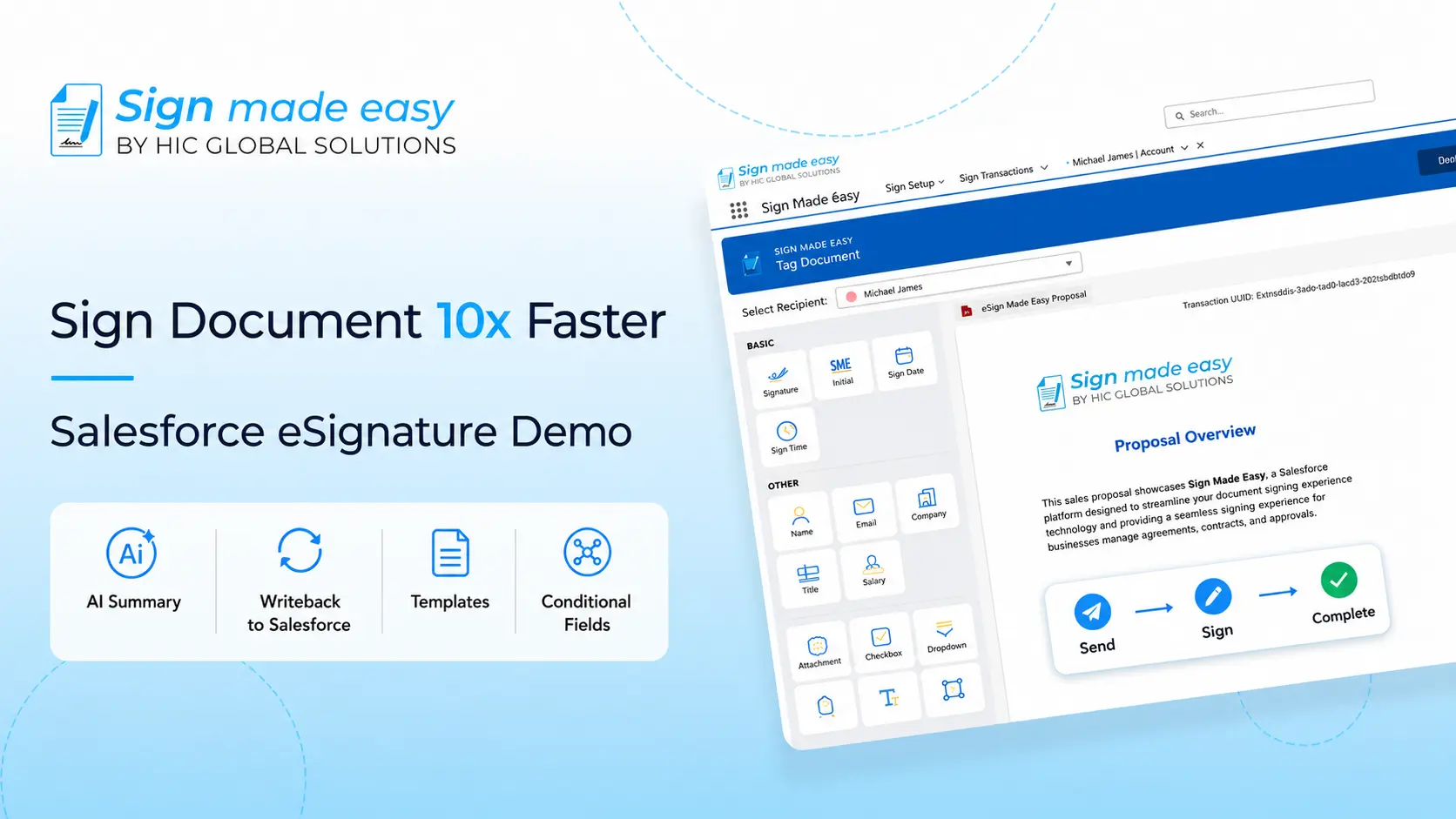
We’ll also explore why businesses using eSignature for Salesforce solutions are increasingly prioritizing automation, security, and scalability over basic low-cost plans.
Why eSignature Pricing Matters More in 2026
The eSignature market has evolved beyond simply collecting signatures online. Businesses now expect workflow automation, compliance support, integrations, audit trails, AI-driven document handling, and enterprise-grade security. Because of this shift, pricing structures have also become more layered and feature-driven.
In 2026, companies are not just purchasing a digital signature solution. They are investing in a platform that directly impacts:
- Contract turnaround time
- Customer experience
- Compliance and audit readiness
- Operational efficiency
- Sales productivity
- Remote collaboration
That’s why understanding eSignature Pricing is no longer just a finance discussion — it’s a business strategy decision.
Understanding the Most Common eSignature Pricing Models
Before choosing an eSignature App, businesses must understand how vendors structure their pricing. This is where many organizations overspend without realizing it.
1. Per User Pricing
This is the most common pricing structure in the eSignature industry.
Businesses pay a fixed monthly or yearly fee for each user account. The cost generally increases depending on the features included in the plan.
Best for:
- Sales teams
- HR departments
- Legal teams with regular signing needs
Advantages:
- Predictable monthly costs
- Unlimited document sending in many plans
- Easy scalability for growing teams
Drawbacks:
- Expensive for occasional users
- Costs rise quickly as teams expand
Industry analysis shows that businesses with low document volume often overpay under per-user pricing models.
2. Per Document or Envelope Pricing
Some providers charge businesses based on the number of documents or envelopes sent each month.
An “envelope” typically means one transaction containing one or more documents sent for signature.
Best for:
- Small businesses
- Freelancers
- Startups with limited monthly transactions
Advantages:
- Lower entry cost
- Pay only for usage
- Ideal for low-volume workflows
Drawbacks:
- Costs become unpredictable at scale
- Overages can become expensive
- Failed or incomplete transactions may still count toward limits on some platforms
This pricing model looks affordable initially, but high-growth businesses often outgrow it quickly.
3. Tiered Subscription Pricing
Many modern eSignature apps now offer tiered pricing structures.
For example:
- Basic Plan
- Professional Plan
- Business Plan
- Enterprise Plan
Each tier unlocks additional capabilities such as:
- Advanced authentication
- API access
- Bulk sending
- Custom branding
- Workflow automation
- CRM integrations
- Compliance certifications
Best for:
- Advanced authentication
- API access
- Bulk sending
- Custom branding
- Workflow automation
- CRM integrations
- Compliance certifications
This model gives businesses flexibility, but feature restrictions between tiers often force unexpected upgrades later.
4. Enterprise Custom Pricing
Large organizations often require custom contracts instead of public pricing.
Enterprise pricing usually depends on:
- Number of users
- Transaction volume
- API usage
- Security requirements
- Compliance needs
- Integration complexity
This model is increasingly common among businesses using eSignature for Salesforce workflows because CRM-driven signing processes require deeper automation and enterprise integrations.
Average eSignature Pricing in 2026
Although pricing varies between providers, industry averages in 2026 generally look like this:
| Plan Type | Typical Monthly Pricing | Common Features |
|---|---|---|
| Free Plan | $0 | Limited documents, basic signing |
| Individual Plan | $10–$20/user | Templates, reminders, audit trail |
| Business Plan | $25–$50/user | Team management, integrations, automation |
| Enterprise Plan | Custom Pricing | API access, SSO, compliance, advanced workflows |
Industry comparisons show that enterprise-grade platforms can exceed $50 per user monthly once compliance and API features are added.
Hidden Costs Businesses Often Ignore
This is where many competitor blogs stop, but real-world eSignature Pricing decisions require deeper analysis.
The subscription fee is rarely the total cost.
API Access Fees
Many vendors charge separately for API usage.
Businesses integrating a digital signature platform with CRM systems, ERP tools, or custom apps may face:
- API call limits
- Per-transaction API costs
- Additional developer licensing fees
Authentication Charges
Advanced signer verification often costs extra.
Examples include:
- OTP authentication
- SMS verification
- ID verification
- Knowledge-based authentication
These features are critical for compliance-heavy industries like finance, insurance, and healthcare.
Storage & Audit Trail Costs
Some vendors limit document storage duration or charge for extended audit retention.
This becomes especially important for businesses with:
- Regulatory requirements
- Long-term contract retention policies
- Legal documentation needs
Integration Costs
Businesses using esignature for salesforce solutions often underestimate implementation expenses.
Integration-related costs may include:
- Salesforce connector licensing
- Workflow setup
- Custom automation
- Admin configuration
- Third-party middleware
What Actually Influences eSignature Pricing?
Now that we understand pricing structures, the next question becomes: Why do prices vary so much between platforms?
1. Security & Compliance
Platforms offering:
- SOC 2 compliance
- GDPR readiness
- HIPAA compliance
- eIDAS support
- Audit logs
- Encryption standards
typically charge higher subscription fees because compliance infrastructure is expensive to maintain. (Chaindoc)
2. Workflow Automation
Modern businesses no longer want basic signing tools.
They want:
- Auto reminders
- Sequential signing
- Approval workflows
- AI-powered summaries
- Conditional routing
- Template automation
The more advanced the workflow engine, the higher the platform cost.
3. CRM & Business Integrations
This is one of the fastest-growing pricing drivers in 2026.
Businesses increasingly expect their eSignature App to connect seamlessly with:
- Salesforce
- HubSpot
- Microsoft Dynamics
- SAP
- Slack
- Google Workspace
Among these, eSignature for Salesforce integrations remains one of the most in-demand enterprise requirements because businesses want contracts, approvals, and customer documents managed directly within Salesforce workflows.
How Businesses Should Evaluate eSignature ROI
The smartest companies no longer evaluate pricing alone. Instead, they compare pricing against operational savings.
Areas Where eSignature Software Saves Money
Here are some of the key areas where Salesforce eSignature solutions save you money:
Industry reports continue to show that businesses are increasingly valuing automation and workflow efficiency over basic low-cost subscriptions.
Why Businesses Are Moving Toward Salesforce-Native eSignature Solutions
One of the biggest shifts in 2026 is the growing demand for eSignatures for Salesforce platforms.
Instead of switching between systems, businesses now prefer managing:
- Contracts
- Approvals
- Sales agreements
- HR documents
- Vendor onboarding
directly inside Salesforce.
This reduces:
- Data duplication
- Manual entry
- Workflow delays
- Integration complexity
It also improves visibility across teams because document status updates remain connected to CRM records in real time.
Common Mistakes Businesses Make While Comparing eSignature Pricing
Even experienced buyers make pricing mistakes.
Choosing Based Only on Lowest Price
Low-cost platforms may lack:
- Security
- Compliance
- Automation
- Scalability
Ignoring Growth Costs
A plan that works for 5 users may become extremely expensive at 100 users.
Overlooking Hidden Limits
Some platforms restrict:
- Templates
- API calls
- Storage
- Branding
- Bulk sending
unless businesses upgrade to premium plans.
Not Evaluating Integration Requirements
Businesses using Salesforce workflows should prioritize esignature for salesforce compatibility early in the buying process.
eSignature Pricing Trends to Watch in 2026
The market is changing rapidly, and pricing strategies are evolving alongside it.
AI-Based Pricing Features
AI-powered capabilities such as:
- Document summarization
- Smart field detection
- Workflow recommendations
- Auto-tagging
are increasingly becoming premium features.
Usage-Based Hybrid Pricing
More vendors now combine:
- Per-user pricing
- Usage-based limits
- API consumption billing
This creates flexible plans but can also make costs harder to predict.
Security-Driven Premium Plans
As compliance requirements increase globally, secure digital signature platforms are investing heavily in:
- Identity verification
- Audit trails
- Encryption
- Enterprise authentication
which directly impacts pricing structures.
Final Thoughts
Choosing the right eSignature pricing model in 2026 is about much more than finding the cheapest subscription. Businesses today need a scalable, secure, and integration-ready solution that supports long-term growth.
The best eSignature App is the one that balances:
- Security
- Automation
- Compliance
- Integration capabilities
- User experience
- Total operational value
For organizations already working inside Salesforce, investing in a reliable eSignature for Salesforce solution can significantly improve workflow efficiency while reducing manual work and document turnaround time.
As the digital signature industry continues evolving, businesses that evaluate pricing strategically, instead of focusing only on monthly costs, will gain the greatest long-term ROI.