




Manual signing and scanning wastes hours and slows deals. In 2025, businesses depend on eSignature tools that are fast, secure, and legally binding.
If you’re using Salesforce, two strong options stand out: SignNow and Sign Made Easy. Both streamline document signing, but they fit different business needs.
This guide explores features, integrations, and FAQs—including details about sign now pricing, the sign now app, and overall usability.
What is Sign Now?
Sign Now (often branded as SignNow) is a cloud-based eSignature solution built for flexibility. It integrates with cloud storage, productivity tools, and CRMs, making it one of the most widely adopted signing platforms.
Key Features of Sign Now:
- Works across platforms (Google Drive, Dropbox, OneDrive, etc.)
- Sign Now app for iOS and Android to sign documents anywhere
- Document templates and bulk sending options
- Workflow automation through APIs
- Legally binding eSignatures with audit trails
Best For: Teams searching for a flexible, cost-effective eSignature solution that can be used both inside and outside Salesforce.
What is Sign Made Easy?
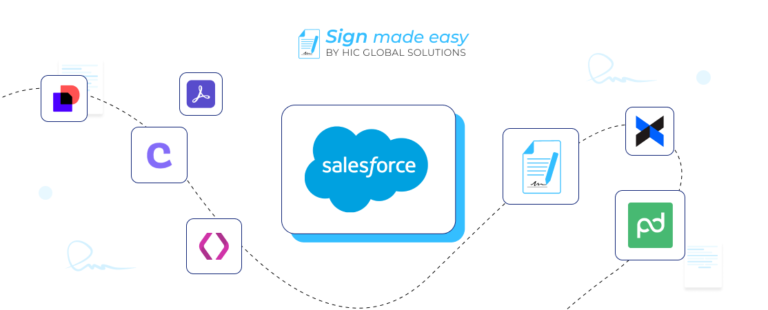
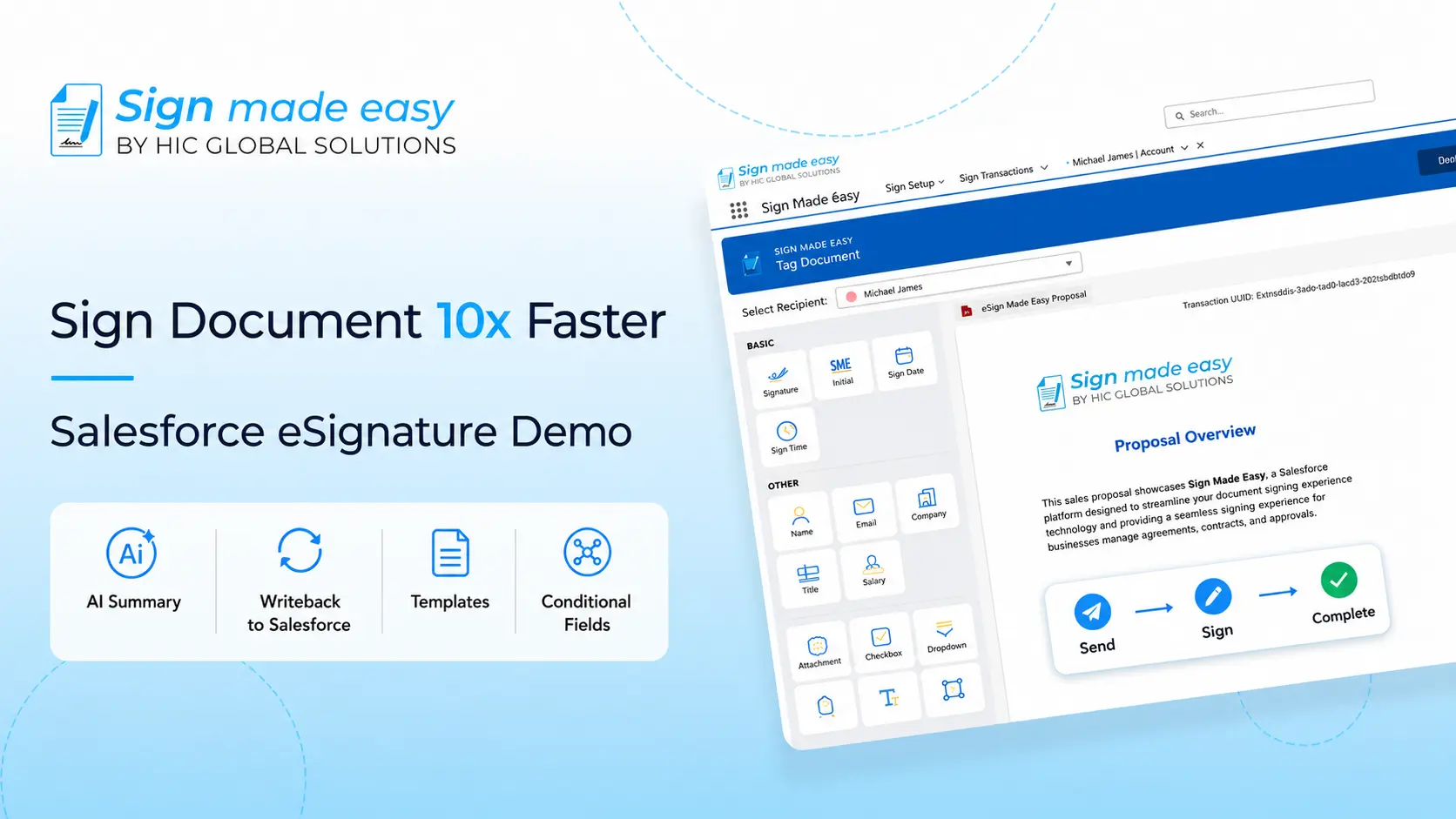
Sign Made Easy is a Salesforce eSignature app designed for companies that run their operations in Salesforce CRM. Unlike generic tools, it’s embedded directly into Salesforce, so users can create, send, and manage signatures without leaving the platform.
Key Features of Sign Made Easy:
- Salesforce integration
- Automated workflows tied to CRM triggers
- Role-based signing order (managers, employees, clients)
- Support for multiple signature formats (typed, drawn, uploaded)
- Enterprise-grade security and compliance
Best For: Organizations that rely heavily on Salesforce and want their eSignature workflows to be automated directly within CRM.
Feature Comparison: Sign Now vs Sign Made Easy
Integration
- Sign Now: Connects with Google Drive, Microsoft, Dropbox, Zapier, and CRMs (Salesforce integration possible but not native).
- Sign Made Easy: 100% Salesforce-native; designed for CRM-driven processes.
Ease of Use
- Sign Now: Clean dashboard and drag-and-drop editor. Great for first-time users.
- Sign Made Easy: Smooth experience for Salesforce teams since everything runs inside the CRM.
Workflow Automation
- Sign Now: Templates, API integrations, and bulk send features.
- Sign Made Easy: Directly tied to Salesforce flows, approvals, and triggers.
Security & Compliance
Both comply with HIPAA, SOC 2 type 2, GDPR standards.
- Sign Now: Provides audit trails, encryption, and secure storage.
- Sign Made Easy: Adds Salesforce-based role permissions and enterprise security.
Mobile Access
- Sign Now app: Available for iOS and Android for mobile signing.
- Sign Made Easy: Mobile-friendly via Salesforce and browser, but no standalone app.
Pros & Cons
Sign Now Pros
- Flexible integrations beyond Salesforce
- Full-featured Sign Now app for mobile use
- Easy to use with templates and bulk sending
- Suitable for diverse industries
Sign Now Cons
- Salesforce integration is not native
- Some features require API or higher-tier plans
Sign Made Easy Pros
- 100% Salesforce-native eSignature
- Automated workflows and triggers inside CRM
- Role-based signing and compliance controls
- Ideal for Salesforce-heavy enterprises
Sign Made Easy Cons
- Less useful outside Salesforce ecosystem
- Limited compared to multi-platform eSignature apps
Use Cases
Choose Sign Now if:
- Your team uses multiple apps, not just Salesforce
- You need a strong Sign Now app for mobile signing
- You want flexible integrations with Google Drive, Dropbox, Microsoft, etc.
- You want a simple, reliable signing solution
Choose Sign Made Easy if:
- Your organization lives inside Salesforce
- You want native workflow automation without third-party apps
- Your processes involve role-based approvals
You want a single source of truth in Salesforce
Conclusion
Both Sign Now and Sign Made Easy are strong Salesforce eSignature tools, but the clear winner is Sign Made Easy.
If your business relies on Salesforce, choose Sign Made Easy for its seamless esignature app for salesforce, automated workflows, and enterprise-level security. It’s the most reliable choice for organizations that want eSignatures fully embedded into their Salesforce processes.